
This week, Freecash, a hot application known as TikTok, was dropped off by App Store and Google Play for collecting a large amount of privacy data from users.In the face of the charges, Almedia, the Freecash parent company, denied them.
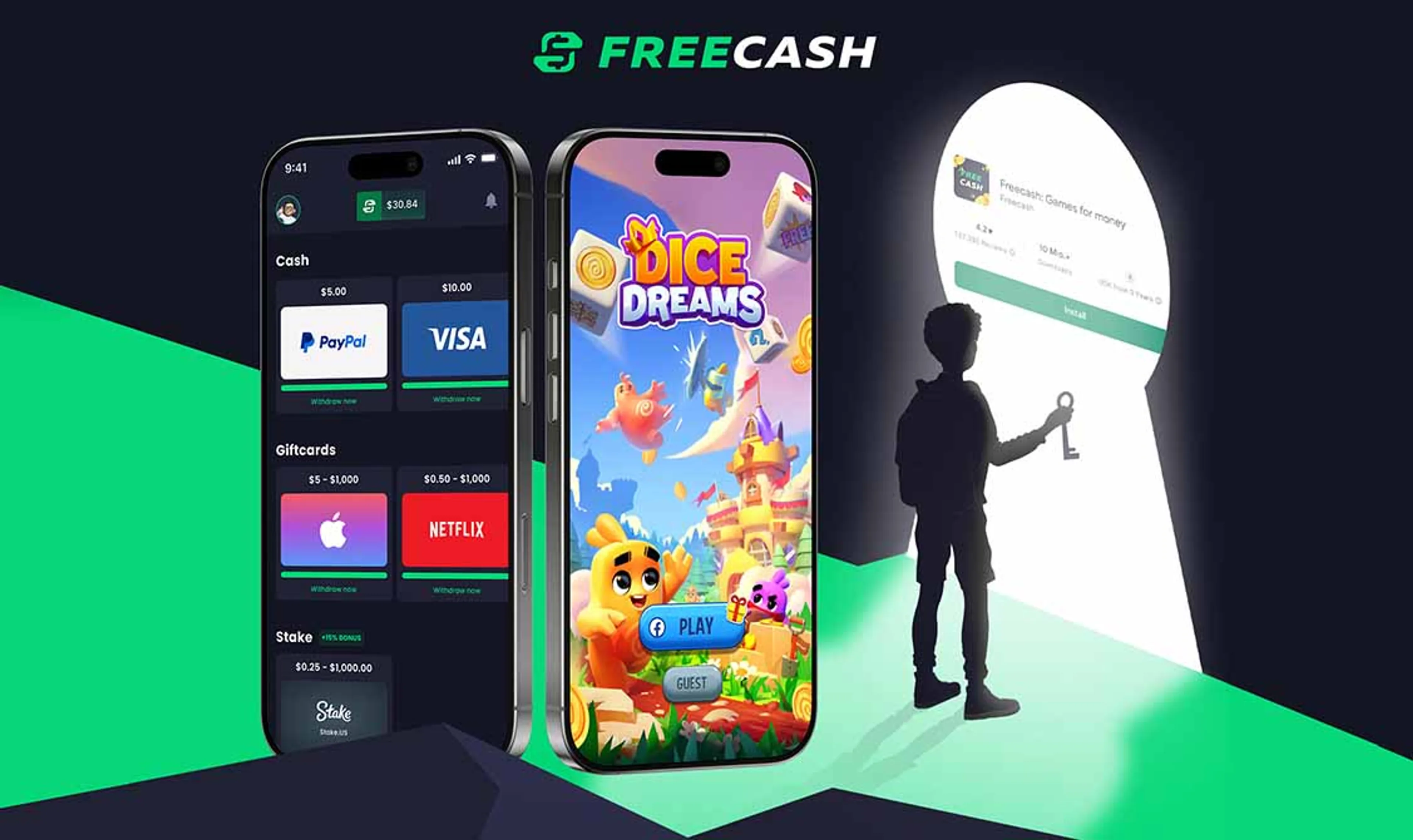
Almedia, a German advertising technology company, stated that earlier media reports had been “inaccurate and misleading” about its operations. At present, Almedia is actively engaged in discussions with two major platforms and is expected to reach a solution while taking the opportunity to defend its position in the wider mobile advertising ecosystem. In his statement, Moritz Holländer, Chief Executive Officer and Founder of Almedia, said: “As many know, our iOS and Android applications have fallen off the shelf this week from App Store and Google Play because the media reports contain many inaccurate and misleading statements about our business. Such articles show that there is still confusion among the general public about the way in which incentivized users gain access to general operating practices in this area and about the real value that applications such as Freecash and Almedia bring to users and advertisers. At the heart of the problem is the incentive-based user access model. Almedia states that the model integrates advertising, loyalty and cash return by providing incentives to users to complete their application (e.g., playing games, buying or participating in preferential terms).

“Our income comes from advertisers, mainly mobile game distributors and retailers. When users take meaningful behaviour in their applications (e.g. reaching a certain level or making purchases), they pay us. We share this income with users through incentives.” In the statement, Moritz Hollländer claims that Almedia has paid more than $300 million to its users, and that, with the addition of 19 million users to Freecash this year, more than 70 million users worldwide. AlMedia also responded to concerns about data practices and marketing, stating that it would not sell user data and comply with GDP R requirements, while acknowledging that there had been a problem with misleading union advertisements earlier this year, which had been removed. “We’re not perfect. We are a rapidly growing company, and rapid growth is accompanied by mistakes that need to be corrected.”


Related Posts