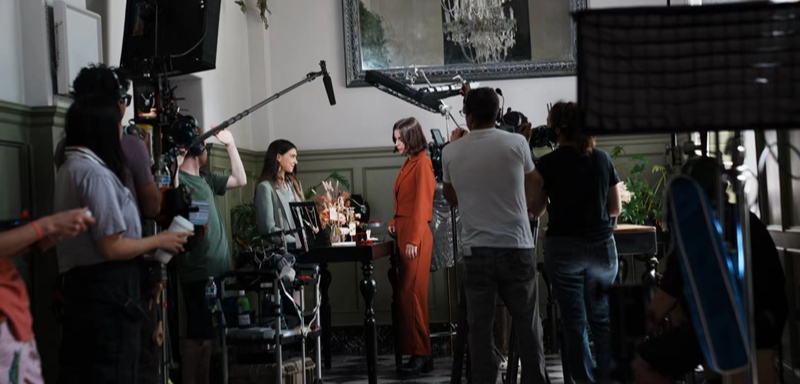
According to the Washington Post, the recent emergence of micro-short dramas is becoming a new pet of the streaming media platform. Some of the popular media platforms that broadcast the 60-second-second stupid soap operas, even if they charge up to $20 a week, have reaped audiences like Hulu and Paramount+. This content, which is specifically designed for cellular end-to-end viewing experience, is changing the way traditional video content is produced and consumed.
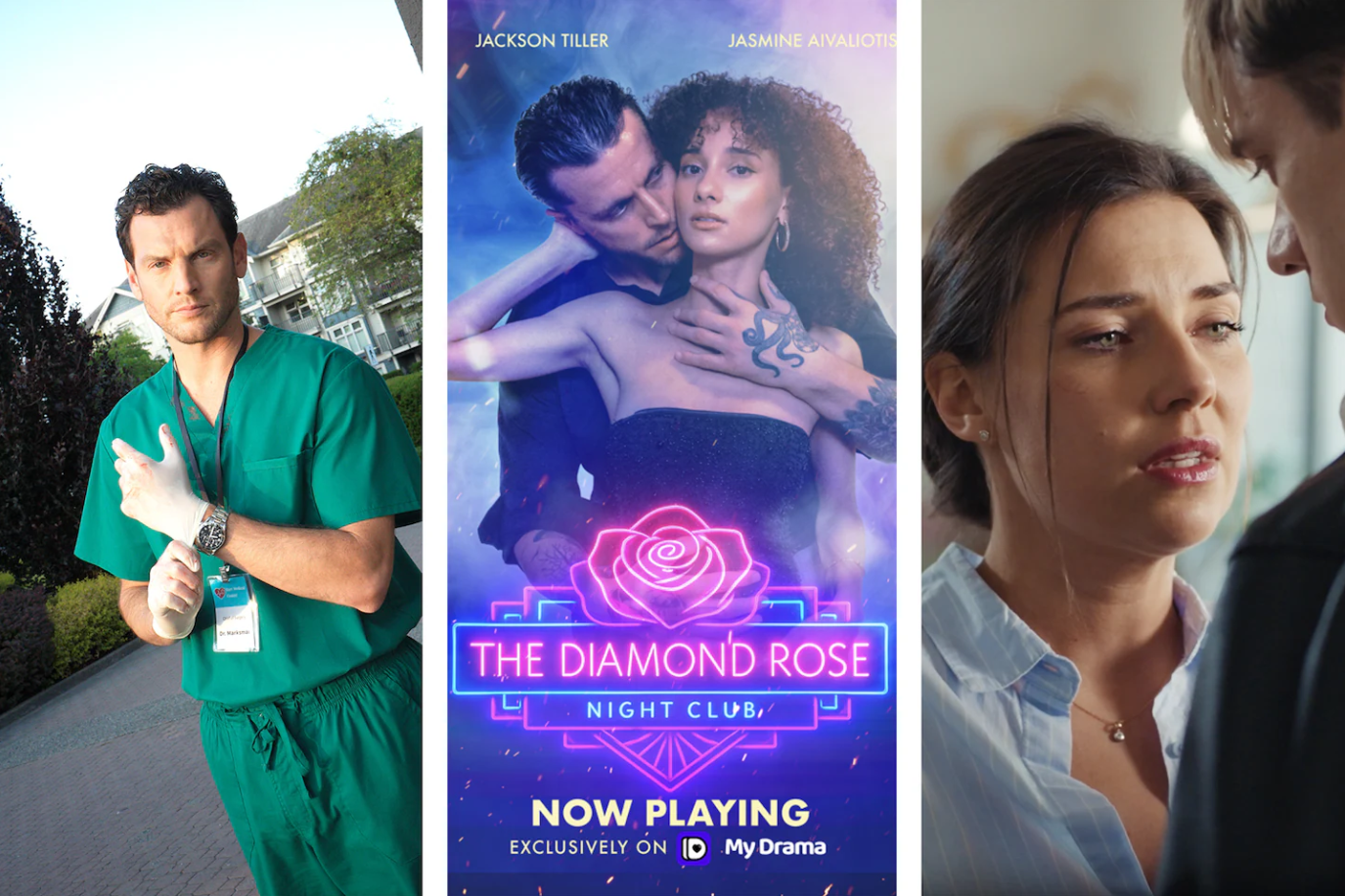
The series of short dramas on traditional television is integrated with the fast, easy-to-consumer format of TikTok video. Each episode, usually in a 2-3 minute period, is filmed in the form of a vertical screen of a smartphone, which is condensed and often contains exaggerating patterns and suspense endings, reminiscent of soap operas.
It is no accident that the success of the micro-short play was driven by technological advances, changes in watch habits and active investment in mainstream media platforms. The widespread use of smartphone video and advances in the technology of generating artificial intelligence (GAI) make the production of high-quality video content easier and cheaper than ever.
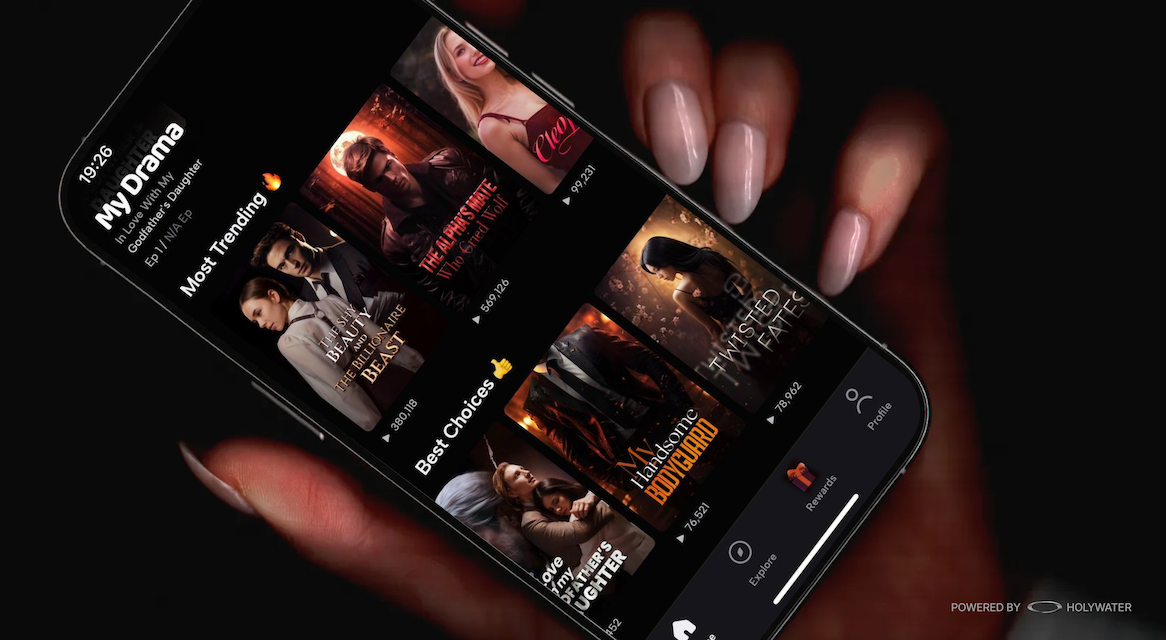
Consumers, especially young viewers, are used to consuming short video content on social platforms. Short dramas satisfy this preference, provide high levels of emotional growth in very short periods and provide a more consistent narrative experience. “These dramas capture the mode of attention of Z generation viewers”, said the media analyst Sarah Jenkins, “they do not need long-term pursuits, are suitable for fragmentation time, and the play is extremely fast, with almost every 30 seconds a reversal or suspension”.
According to the most recent data, the “micro-short play” viewing market on TikTok has increased by 150 per cent over the past year, and the “micro-dramatic” platform of TikTok has worked with major studios to launch a number of major dramas, some of which have received over a billion label views on the platform. Traditional streaming media services, such as Netflix and Amazon, are experimenting with this format as a way to attract young viewers who are used to short videos and as a complement to their traditional long video content or as an “introductive drag”. The data show that these short dramas have a very high completion rate and can effectively stimulate viewers to view the full-length series or film.
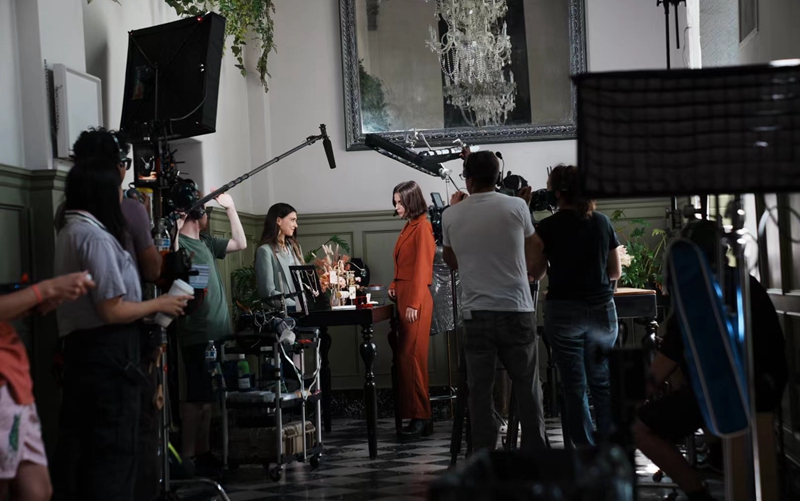
In many respects, the micro-short play is seen as a digital heir to the traditional soap operas, both of which rely on a continuum of events, exaggerated emotional conflicts and a serial rhythm to foster audience habits. But unlike traditional soap operas, the microtreave is designed to be fully mobile-end optimization, in a vertical-screen format. “This is not just about cutting the screens,” a microtreaper explains, “It is a completely new visual language. We’ve been rethinking the structure, the motion of the lens and the pace of the clip, all of which are focused on one hand.”
An anonymous, streaming media executive revealed: “We are re-reprinting some of the classic scenario comedy in a vertical version, and the results show that young viewers have discovered a complete version of the programme through these clips, bringing a virtuous circle between old and new.
Technological advances will further advance the evolution of the micro-short play, which, as AR and VR technology matures, may provide a more immersive experience for the next generation. At the same time, artificial intelligence tools are making it easier to produce high-quality dramas at low cost.

Despite rapid development, the best profit model for micro-short plays is still being explored. Some have attempted to insert advertising in the drama, while others have adopted subscription models or quarterly payments. The consolidation of brand content has also become a common practice, and the fashion make-up brand is particularly popular with this form of original advertising.
Critics, however, are concerned that the spread of this extremely short formatted content may further erode attention. Some question whether this is a “real” storytelling art or just a highly commercial content aimed at maximizing the time of use of the user screen.
In its article, The Washington Post states that the rise of the mini-feit shows a broader evolution of media consumption patterns. Micro-short dramas not only compete with traditional stream media, but also create unique spaces in recreational ecosystems. By giving priority to accessability, pro-people prices and addiction narratives, the microtrip is democratizing content consumption and giving wider audiences access to stories that resonate.
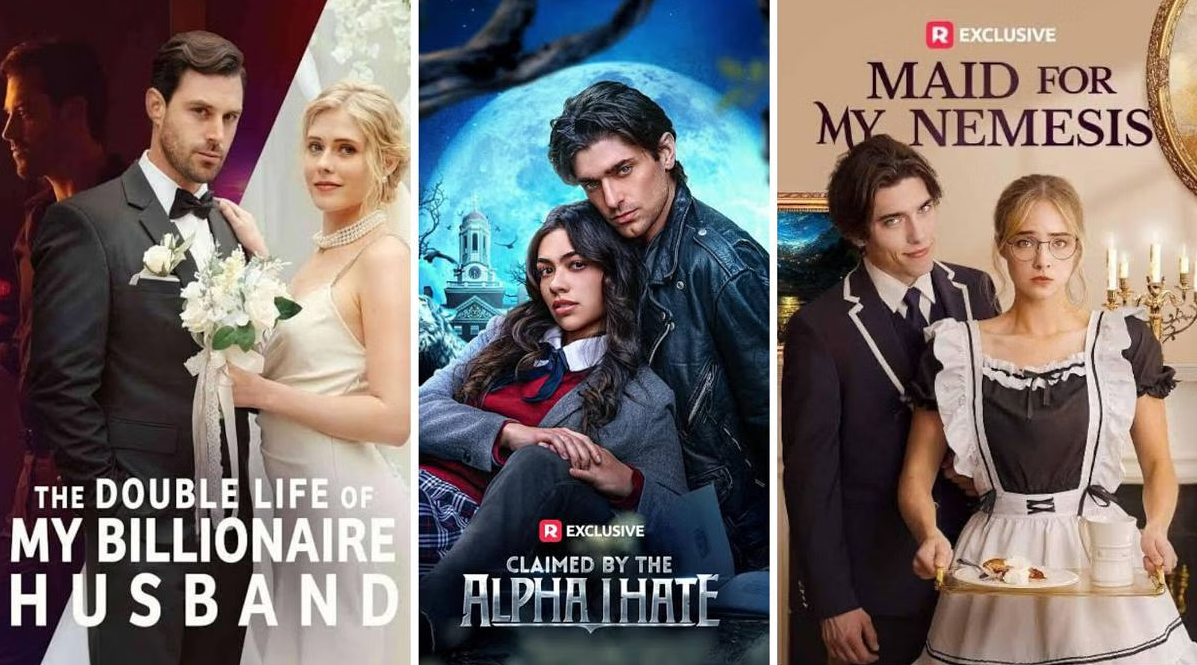
The Washington Post also stressed that micro-fellows were not a facade. They represent a structural shift in the pattern of consumption of video content, which is being produced and distributed by specialized components of major media companies and which are expected to grow significantly in investment and production in the coming years. The micro-short show is seen as a natural evolution of the integration of traditional television drama narratives with social short video.

Related Posts