The Web3 game has long claimed to give players “real ownership” of their game assets, promising them permanent control of game props, tokens and NFTs. However, when the game was closed, the ownership evaporated. The root of the problem was not the failure of the development team but the absence of legal regulation.
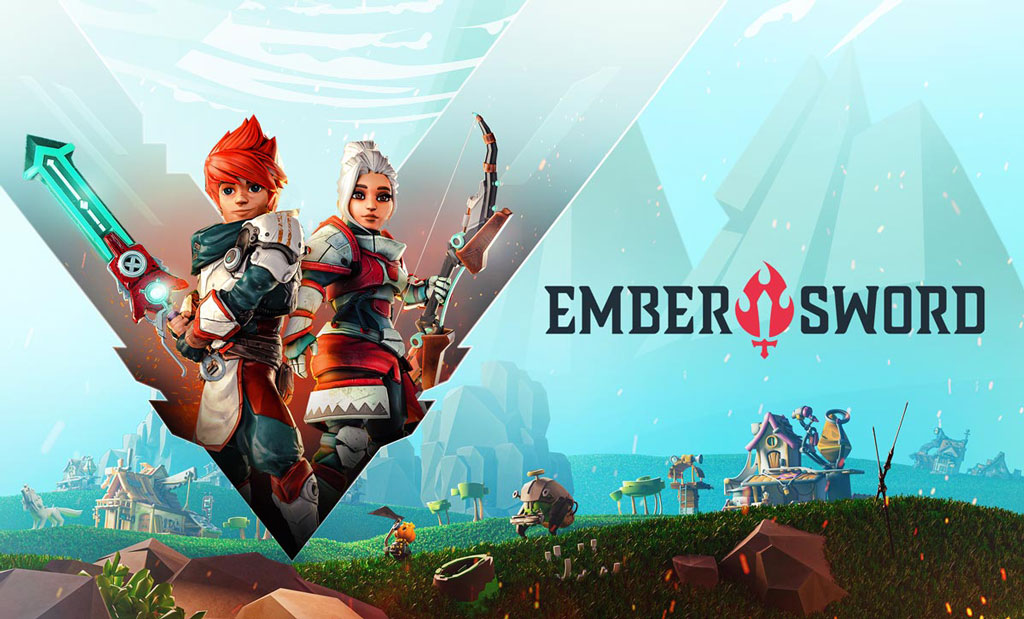
Once the game allows players to trade virtual assets in real currency, it is no longer a entertainment product. In the eyes of regulators, it has become a financial service. Chief Executive Magnus Soderberg of Triolith Gomes, who focuses on compliance in the Web3 game, pointed out that this fundamentally changed the rules of the game. Web3 Game in 2025The Web3 game of mass decomposition in 2025 exposed the vulnerability of the “play-by-play” model and the illusory promise of digital ownership of the block chain. According to DappRadar, at least 8 per cent of the active Web3 games were closed in the third quarter of 2025, mainly due to a 93 per cent drop in risk investments and increased market saturation. Many star projects, such as Tatsumeeko, Nyan Heroes, Blast Royale, and Loud League, endorsed by NBA star Stephen Curly, were discontinued as the future of the game. Even the large MMORPG, Ember Sword, which finances more than $200 million, suddenly shut down its tokens to zero the physical value of NFT overnight.
Nyan Heroes’ Nyan token fell by about 40 per cent a day and its market value fell by 99 per cent above its peak, revealing a cruel reality: the promise of digital ownership was mostly an illusion. Players holding tokens or NFTs find that these “assets” exist only during the operation of the game. Non-physical high wall at compliance costBehind these stoppages are deeper regulatory barriers. If a block-chain game actually chains assets up, allows players to forge NFTs, trade tokens, and to express itself freely, it is not just a game, but a strictly regulated financial platform — the cost of compliance is unstoppable. But the Web3 platform provides a threshold for exchange, hosting or tokens. At the time of the transaction, the regulator will classify it as a financial service provider or a secure asset service provider. This identity will trigger strict anti-money-laundering and user identification requirements, including identification, control of transactions, safe custody of assets and consumer protection audit obligations. In Europe, such platforms are subject to the MiCA (encrypted asset market regulation) regulations; in the United States, they are subject to the Financial Crimes Enforcement Agency ‘ s framework of operations for monetary services and state money transfer licence requirements. Meeting these standards may cost millions of dollars and will need to be completed before the platform is online. Soderberg said: “The current state of Web3 compliance is really bad. Few studios take compliance seriously, which will take them back.”

Small studios are the hardest hit, and most cannot afford the millions of dollars required for legal teams or global compliance. Once the regulator has started to enforce the law, “we do not know” cannot be an effective defence. But the consequences of irregular operations not only affect the developers — the developers may face fines or debarments — but the players suffer from the devastating effects of trust, such as the collapse of the currency economy, unfair internal distribution and sudden sales. Compliance infrastructure or failure is criticalThe construction of a fully compliant Web3 platform is not only complex but extremely costly. Obtaining a MiCA permit in Europe, a multi-state clearance in the United States, and a regulatory licence in Asia and the Middle East could easily cost a global operator $10 million to $15 million in legal qualifications, much earlier than any game development or player landing. For the small Web3 studio, becoming a financial operator across jurisdictions is a formidable challenge. Many studios choose easier paths: bypassing the encryption asset service provider’s licence and relying on the Web3 originals. But Soderberg warned that the lack of regulation would cost.
Can a balance be struck between regulatory rigour and game creativity? Some experts considered it feasible to authorize infrastructure as a possible solution. The studio can see that the legal burden is outsourced to third-party compliance service providers rather than dealing with all financial operations like a bank. “This means that we deal with identification/money-laundering, asset trust and even currency economic design — developers do not have to operate like banks or exchanges,” Soderberg explained. According to it, the compliance infrastructure provider can ensure that the boxing system is not recognized as lottery, that tokens are subject to legal review, and that the player’s wallet complies with the reporting rules. ” So that the team can focus on building a good game, not drowning in the papers.” The system embeds compliance at the functional contractual level and automatically validates wallets, transaction limits and regional limits prior to any chain operation. The goal is for the player to pass regulatory inspections without being aware, while the developer meets legal standards in real time and integrates compliance in the design of the game rather than aftercare. The future of the industry lies in adaptability.The collapse of the Web3 game shows that true digital ownership cannot be achieved without regulation. As the boundary between the game and finance continues to blur, only those who can adapt to the regulatory environment can survive the next Web3 wave. Soderberg concluded, “It’s a seamless experience for the player — it’s fun to keep the game running. For the developers, this means that each chain operation is verified in real time by law. This is compliance through design, not piecemeal repair.”

Related Posts